|
Gay Wisdom for Daily Living brought to you by White Crane Institute ͏ ͏ ͏ ͏ ͏ ͏ ͏ ͏ ͏ ͏ ͏ ͏ ͏ ͏ ͏ ͏ ͏ ͏ ͏ ͏ ͏ ͏ ͏ ͏ ͏ ͏ ͏ ͏ ͏ ͏ ͏ ͏ ͏ ͏ ͏ ͏ ͏ ͏ ͏ ͏ ͏ ͏ ͏ ͏ ͏ ͏ ͏ ͏ ͏ ͏ ͏ ͏ ͏ ͏ ͏ ͏ ͏ ͏ ͏ ͏ ͏ ͏ ͏ ͏ ͏ ͏ ͏ ͏ ͏ ͏ ͏ ͏ ͏ ͏ ͏ ͏ ͏ ͏ ͏ ͏ ͏ ͏ ͏ ͏ ͏ ͏ ͏ ͏ ͏ ͏ ͏ ͏ ͏ ͏ ͏ ͏ ͏ ͏ ͏ ͏ ͏ ͏ ͏ ͏ ͏ ͏ ͏ ͏ ͏ ͏ ͏ ͏ ͏ ͏ ͏ ͏ ͏ ͏ ͏ ͏ ͏ ͏ ͏ ͏ ͏ ͏ ͏ ͏ ͏ ͏ ͏ ͏ ͏
|
|
||||
| This Day in Gay History | ||||
April 14Born 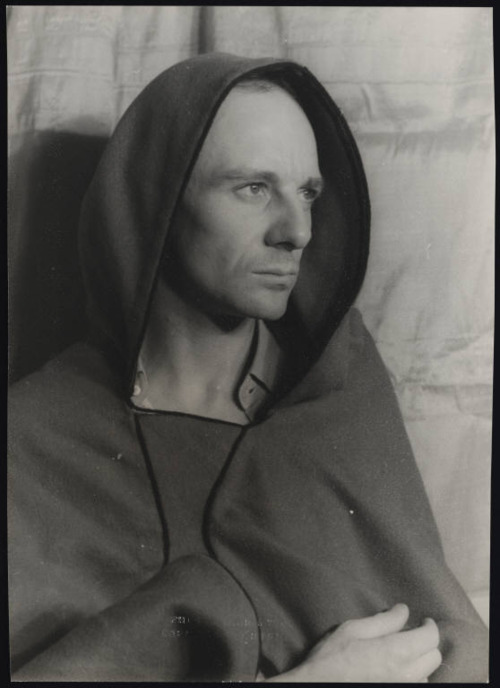 John Gielgud, portrait by Carl Van Vechten, 1936 John Gielgud, portrait by Carl Van Vechten, 19361904 - SIR JOHN GIELGUD, English actor was born (d. 2000); No need to skimp on superlatives. Sir John Gielgud spent a lifetime of hard work earning accolades. Simply put, he was one of the great men of the world of theater, had one of the most extraordinarily mellifluous voice of any actor on the English-speaking stage, and was one of the few actors capable of taking on any role, no matter how slight and making it play. In his youth his only rival as the most beautiful man on the English stage was Ivor Novello. And lost little of that beauty in old age. Rent any of his films and try, just try to take your eyes off him when he acts, if you doubt this. Brideshead Revisited, Arthur, Becket, Julius Caesar, Murder on the Orient Express, Caligula, The Elephant Man, Gandhi, Chariots of Fire, Prospero’s Books…just to name a few. It just doesn’t get much better than Sir John. Gielgud was convicted of "persistently importuning for immoral purposes" (“cottagiong” in the vernacular of the day) in a Chelsea (U.K.) mews in 1953. Instead of being rejected by the public, he received a standing ovation at his next stage appearance. Biographer Sheridan Morley writes that while Gielgud never denied being Gay, he always tried to be discreet about it and felt humiliated by the ordeal. Some speculate that it helped to bring to public attention a crusade to decriminalize homosexuality in England and Wales. Longtime partner Martin Hensler, 30 years his junior, died just a few months before Sir John did in 2000. He only publicly acknowledged Hensler as his partner in 1988, in the program notes for The Best of Friends which was his final stage performance. Despite going to Hollywood to appear alongside Marlon Brando in Julius Caesar in early 1950s, Gielgud would avoid Hollywood for over a decade for fear of being denied entry because of the arrest. He was knighted in the 1953 coronation honors, became a Companion of Honor in 1977, and was admitted to the British Order of Merit in 1996. Died 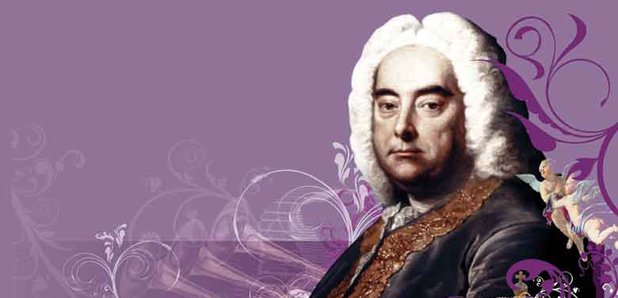 Georg Frederick Handel Georg Frederick Handel1759 - GEORG FRIDERIC HANDEL, German composer, died (b. 1685); Of the German composer who anglicized the spelling of his name to "Frederick" upon removing to England, a contemporary wrote, “His social affectations were not very strong; and to this it may be imputed that he spent his whole life in a state of celibacy; that he had no female attachments of another kind may be ascribed to better reason.” What was the “better reason” that made Handel eschew not only marriage, but “female attachments of another kind,” presumably mistresses or whores? Was it the fear of syphilis or the possibility that the composer was homosexual? The evidence is far from conclusive, but the latter is more than probably. 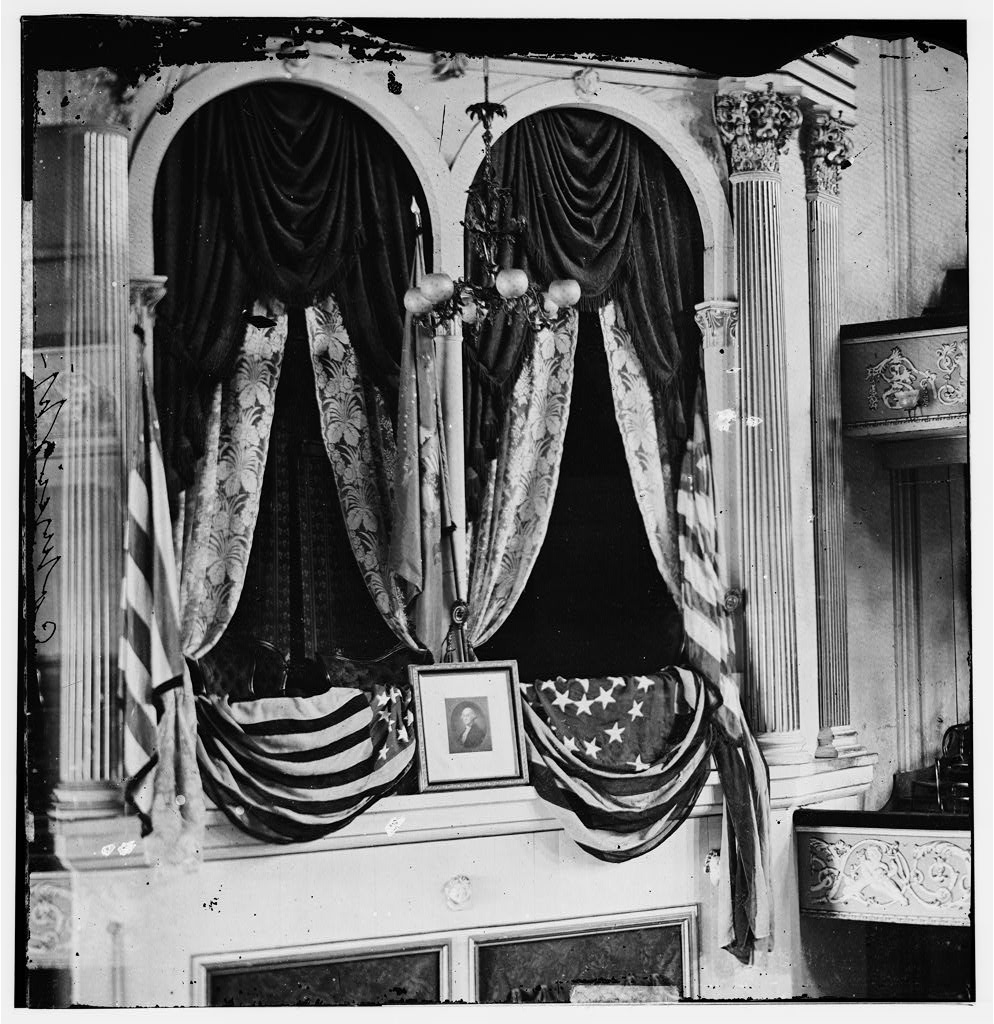 The Presidential box at Ford's Theater The Presidential box at Ford's Theater1865 - President ABRAHAM LINCOLN (Joshua Speed’s bff) is assassinated in Ford’s Theater by John Wilkes Booth. 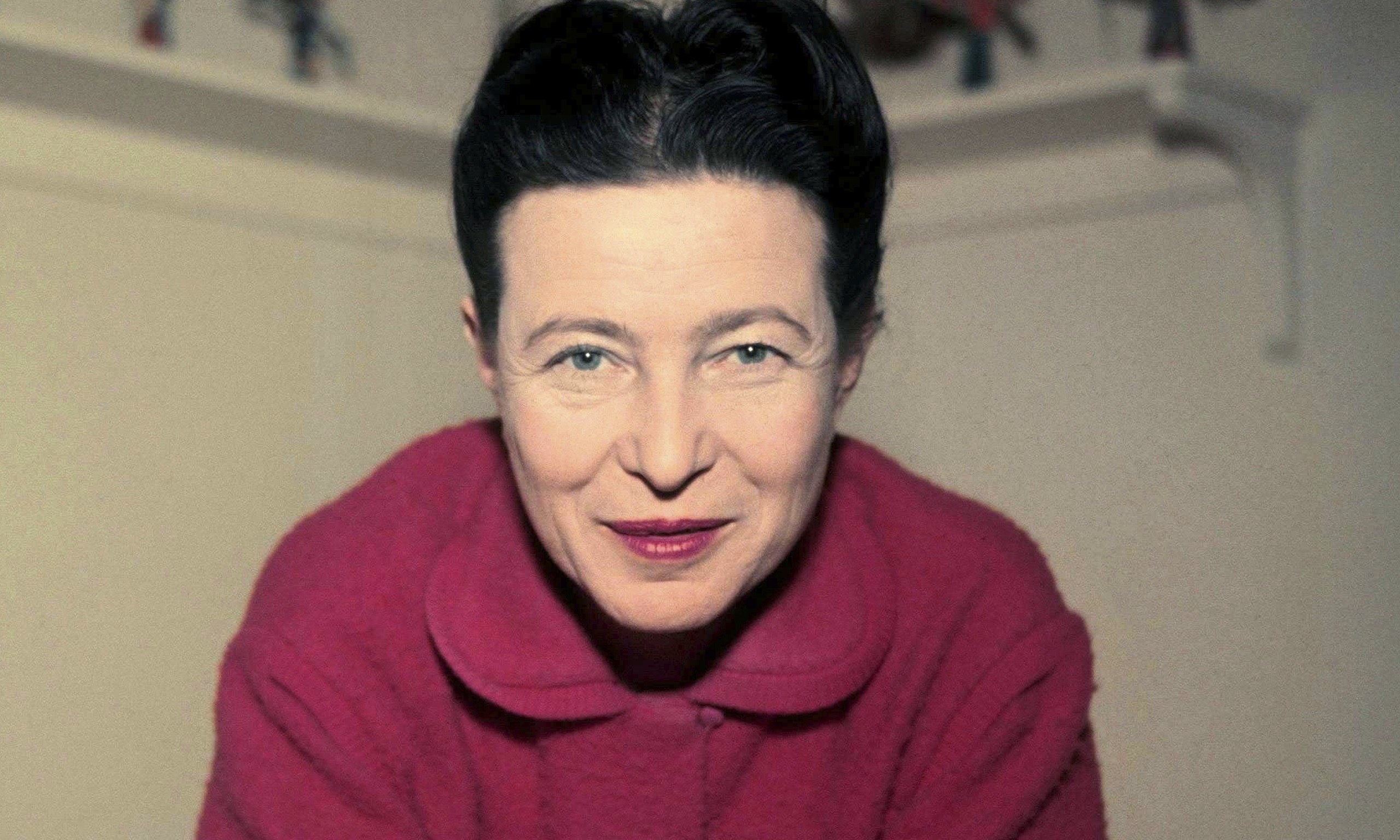 Simone de Beauvoir Simone de Beauvoir1986 - SIMONE DE BEAUVOIR, French feminist writer, died (b. 1908); A French author and philosopher, de Beauvoir wrote novels, monographs on philosophy, politics, and social issues, essays, biographies, and an autobiography. She is now best known for her metaphysical novels, including She Came to Stay and The Mandarins, and for her 1949 treatise The Second Sex, a detailed analysis of women's oppression and a foundational tract of contemporary feminism. In the essay Woman: Myth and Reality, Beauvoir argued that men had made women the "Other" in society by putting a false aura of "mystery" around them. She argued that men used this as an excuse not to understand women or their problems and not to help them, and that this stereotyping was always done in societies by the group higher in the hierarchy to the group lower in the hierarchy. She wrote that this also happened on the basis of other categories of identity, such as race, class, and religion. But she said that it was nowhere more true than with sex in which men stereotyped women and used it as an excuse to organize society into a patriarchy. Beauvoir's The Second Sex, published in French in 1949, sets out a feminist existentialism which prescribes a moral revolution. As an existentialist, Beauvoir accepted the precept that existence precedes essence, i.e. one is not born a woman, but becomes one. Her analysis focuses on the concept of The Other. It is the (social) construction of Woman as the quintessential Other that Beauvoir identifies as fundamental to women's oppression. The principal 1932 treatment by the feminist author Adrienne Sahuqué, born circa 1890, entitled Les dogmes sexuels (1932) had already approached, fifteen years prior to the publication of The Second Sex the question of sexist prejudices against women. Beauvoir argued that women have historically been considered deviant, abnormal. She submits that even Mary Wollstonecraft considered men to be the ideal toward which women should aspire. Beauvoir says that this attitude has limited women's success by maintaining the perception that they are a deviation from the normal, and are outsiders attempting to emulate "normality". For feminism to move forward, this assumption must be set aside. | ||||
|
|8|O|8|O|8|O|8|O|8|O|8|O|8|O|8| Gay Wisdom for Daily Living from White Crane Institute "With the increasing commodification of gay news, views, and culture by powerful corporate interests, having a strong independent voice in our community is all the more important. White Crane is one of the last brave standouts in this bland new world... a triumph over the looming mediocrity of the mainstream Gay world." - Mark Thompson Exploring Gay Wisdom & Culture since 1989! |8|O|8|O|8|O|8|O|8|O|8|O|8|O|8| | ||||

|
|||||

|
