|
Gay Wisdom for Daily Living brought to you by White Crane Institute ͏ ͏ ͏ ͏ ͏ ͏ ͏ ͏ ͏ ͏ ͏ ͏ ͏ ͏ ͏ ͏ ͏ ͏ ͏ ͏ ͏ ͏ ͏ ͏ ͏ ͏ ͏ ͏ ͏ ͏ ͏ ͏ ͏ ͏ ͏ ͏ ͏ ͏ ͏ ͏ ͏ ͏ ͏ ͏ ͏ ͏ ͏ ͏ ͏ ͏ ͏ ͏ ͏ ͏ ͏ ͏ ͏ ͏ ͏ ͏ ͏ ͏ ͏ ͏ ͏ ͏ ͏ ͏ ͏ ͏ ͏ ͏ ͏ ͏ ͏ ͏ ͏ ͏ ͏ ͏ ͏ ͏ ͏ ͏ ͏ ͏ ͏ ͏ ͏ ͏ ͏ ͏ ͏ ͏ ͏ ͏ ͏ ͏ ͏ ͏ ͏ ͏ ͏ ͏ ͏ ͏ ͏ ͏ ͏ ͏ ͏ ͏ ͏ ͏ ͏ ͏ ͏ ͏ ͏ ͏ ͏ ͏ ͏ ͏ ͏ ͏ ͏ ͏ ͏ ͏ ͏ ͏ ͏
|
|
||||
| This Day in Gay History | ||||
April 26Born 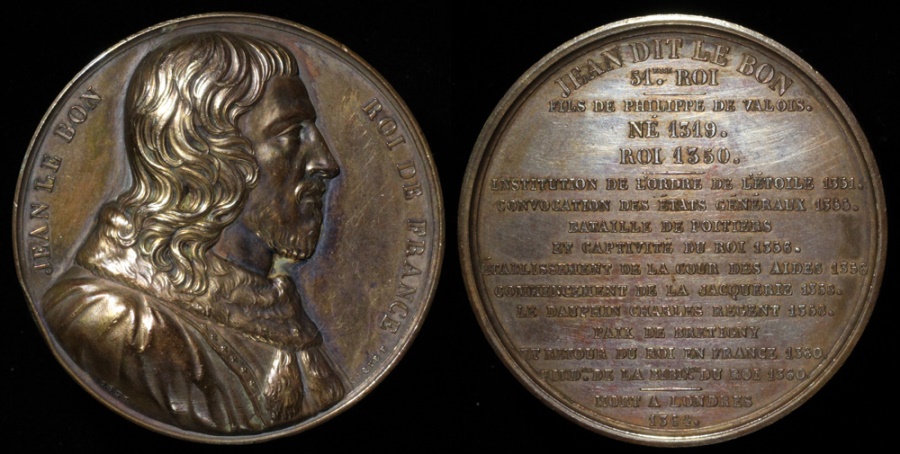 Bare headed bust of John II ("Le Bon") facing right. Reverse: Seventeen line legend depicting important events in the King's life. Bare headed bust of John II ("Le Bon") facing right. Reverse: Seventeen line legend depicting important events in the King's life. 1319 - JOHN II OF FRANCE was born on this date (d: 1364); Lots of Gay kings these days. Yesterday we noted Edward II of England. Today we have John II of France. Called John the Good (Jean le Bon), he was a monarch of the House of Valois who ruled as king of France from 1350 until his death. When John II came to power, France was facing several disasters: the Black Death, which caused the death of nearly half of its population; popular revolts known a Jacqueries; free companies (Grandes Compagnies) of routiers who plundered the country; and English aggression that resulted in disastrous military losses, including the Battle of Poiteirs of 1356, in which John was captured. While John was a prisoner in London, his son Charles became regent and faced several rebellions, which he overcame. To liberate his father, he concluded the Treaty of Bretigney (1360), by which France lost many territories and paid an enormous ransom. In an exchange of hostages, which included his second son Louis, Duke of Anjou, John was released from captivity to raise funds for his ransom. Upon his return in France, he created the franc to stabilize the currency and tried to get rid of the free companies by sending them to a crusade, but Pope Innocent VI died shortly before their meeting in Avignon. When John was informed that Louis had escaped from captivity, he voluntarily returned to England, where he died in 1364. He was succeeded by his son Charles V. Jean le Bon took as his wife Bonne of Bohemia and fathered 11 children in eleven years. Due to his close relationship with Charles de la Cerda, rumors were spread by Charles II of Navarre of a romantic attachment between the two. La Cerda was given various honors and appointed to the high position of connectable when John became king; he accompanied the king on all his official journeys to the provinces. La Cerda's rise at court excited the jealousy of the French barons, several of whom stabbed him to death in 1354. La Cerda's fate paralleled that of Edward II of England's Piers Gaveston and John II of Castile's Alvaro de Luna; the position of a royal favorite was a dangerous one. John's grief on La Cerda's death was overt and public. 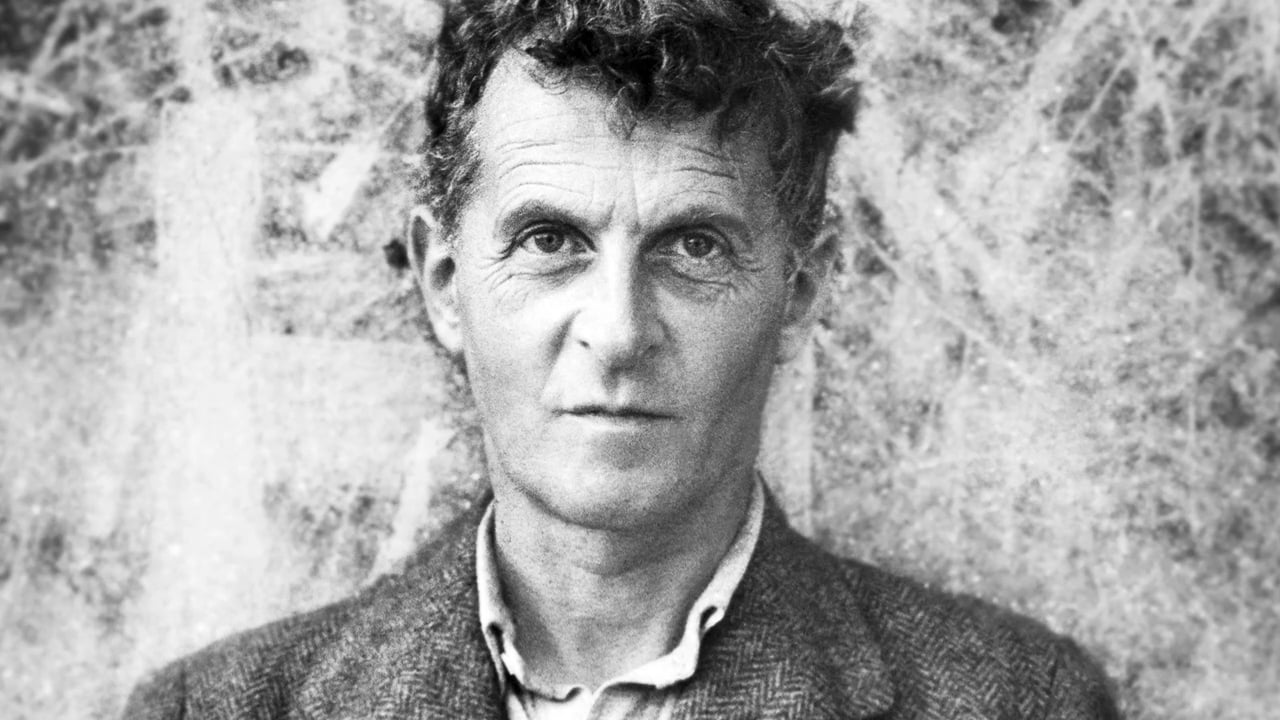 Ludwig Wittgenstein Ludwig Wittgenstein1899 - LUDWIG WITTGENSTEIN, Austrian-born philosopher (d. 1951); an Austrian philosopher who worked primarily in the foundations of logic, the philosophy of mathematics, the philosophy of mind and the philosophy of language. His influence has been wide-ranging and he is generally regarded as one of the 20th century's most important philosophers. Before his death at the age of 62, the only book-length work Wittgenstein had published was the Tractatus Logico-Philisophicus,["Philosophical Investigations"], which Wittgenstein worked on in his later years, was published shortly after he died. Both of these works are regarded as highly influential in analytic philosophy. Ludwig Wittgenstein seems to have been uncomfortable with his sexuality. Certainly, he was very secretive about his sexual interests and activities. His secretiveness is not altogether surprising, considering the fact that homosexuality was illegal in Austria and Britain during his lifetime. Therefore, details of his emotional and sexual life are sparse. William W. Bartley first broached the subject of Wittgenstein's homosexuality in his 1973 biography and received considerable censure and disapproval from the philosophy establishment. Apparently, in his student days in Vienna, Wittgenstein occasionally cruised the Prater, a large public park, where he met rough trade youths; he seems to have continued this activity later in England. However, Wittgenstein is also believed to have had long-term affairs with men of his own class, such as the philosopher Frank Ramsey and the architect Francis Skinner. | ||||
|
|8|O|8|O|8|O|8|O|8|O|8|O|8|O|8| Gay Wisdom for Daily Living from White Crane Institute "With the increasing commodification of gay news, views, and culture by powerful corporate interests, having a strong independent voice in our community is all the more important. White Crane is one of the last brave standouts in this bland new world... a triumph over the looming mediocrity of the mainstream Gay world." - Mark Thompson Exploring Gay Wisdom & Culture since 1989! |8|O|8|O|8|O|8|O|8|O|8|O|8|O|8| | ||||

|
|||||

|
