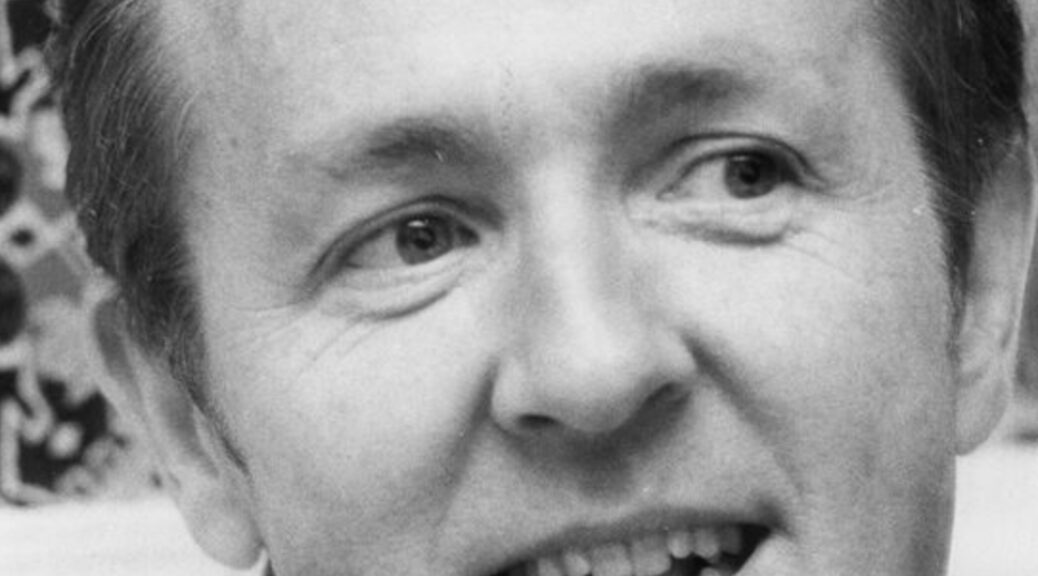
RICHARD LAMPARSKI born (ne Richard Lynch0 on this date in Detroit, Michigan, came of age during the golden age of Hollywood, steeped in the glamour and myth of the movies.
After serving in the military and studying at UCLA, he began a career in broadcasting, working as a radio and television interviewer in New York and Los Angeles. His conversational ease and unpretentious curiosity soon evolved into his literary calling: the Whatever Became of…? series, which began in the late 1960s and would eventually span multiple volumes.
Each book was part detective story, part elegy — tracking down the lives of once-famous figures to learn where fate, fortune, and time had taken them. In contrast to many entertainment journalists, Lamparski never mocked his subjects; he had compassion for them. He provided his readers a sense of closure. Forgotten performers were given new life, even if only for a few lovingly crafted paragraphs.
In later years, Lamparski expanded his interests into cultural history, authoring Lamparski’s Hidden Hollywood — a fascinating mosaic of memories, anecdotes, and rediscovered personalities from Hollywood’s twilight corners.
Richard Lamparski’s work predated Google searches, nostalgia podcasts, and celebrity documentaries. In his time, if you wanted to find out “whatever became of” someone, you had to do the hard work — research, phone calls, persistence, empathy. He did it because he cared about the stories that were being lost to time.
His legacy is more than a bookshelf’s worth of volumes; it is an archive of humanity — one that taught readers that fame is fleeting, but memory endures.
His first book featured the Olympic figure skater turned movie heroine Sonja Henie (who married rich); Veronica Lake, an actress whose peekaboo hairstyle swept the country in the 1940s (she later waitressed in Manhattan); and Christine Jorgensen, one of the first people to undergo transition surgery (who was answering letters from people around the world unhappy about their gender).
Mr. Lamparski had an encyclopedic memory for Hollywood trivia and, in the days before the internet, was a resourceful investigator of obscure people, relying on word of mouth, street sightings and paging through the phone book.
At 19, he left for Los Angeles, where he worked various jobs in the television industry. During a stint as a press agent for the Ice Capades in the mid-1950s, he met a former silent movie star, Aileen Pringle, 36 years his senior. The two began a close but platonic relationship. )
“In those days, 58-year-old movie stars did not date 22-year-old guys,” he later recalled. “I mean, not that we were having an affair, but we did, we went out together like a couple. We were close buddies.”
In the years before “Whatever Became Of …?” found its audience, Mr. Lamparski pursued interviews with forgotten stars. Many were has-beens from the silent era. He had learned how to charm them through his long association with Ms. Pringle.
One of the archetypal roles LGBTQI+ people have served in various cultures in the world is that of the “culture carrier.” In remembering him now, we might rephrase his famous question and ask instead: Whatever became of Richard Lamparski? The answer is simple. He became a steward of memory — and thanks to his work, many others did not vanish altogether.
Once a gregarious writer who spent years traveling widely to entice often-reluctant subjects to speak with him, Mr. Lamparski spent the last decades of his life as a near recluse, shunning social interactions. He died in a senior care facility in Santa Barbara, California.